 FA
FA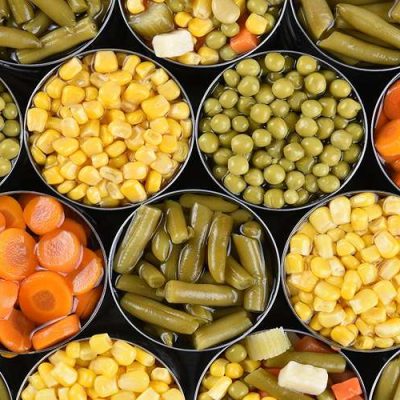
Emergency preparedness is not solely the responsibility of governments. Families can also prepare for potential crises by strategically storing canned foods for several weeks or months. Small, affordable packages are the most practical option for household stockpiles.
Introduction
In times of crisis—such as war, natural disasters, or major disruptions in global supply chains—food security becomes the primary concern of governments and nations. One of the most effective strategies for ensuring adequate, safe, and sustainable nourishment in such situations is the reliance on canned food products. With a long-standing history in the food industry, canned goods have distinct characteristics that place them at the forefront of food provision during difficult conditions. This article explores the various aspects of the importance of producing and consuming canned foods in times of crisis and war.
Strategic Features of Canned Food Products:
Long Shelf Life
Canned food products typically have a shelf life of 2 to 5 years, allowing them to be stored for long periods without special preservation conditions. This extended durability plays a crucial role in strategic planning for crisis situations, as countries can rely on canned products to build and maintain their emergency food reserves.
No Need for Cold Chain
During wars or natural disasters, the supply of electricity and fuel for refrigerators and cold-storage systems is often disrupted. In such circumstances, products that do not require a cold chain, such as canned foods, become a reliable and practical option for consumption.
Ready-to-Eat
Many canned foods are designed to require minimal cooking or no advanced kitchen equipment. Some can even be consumed directly, without heating. This feature is highly valuable when access to gas, electricity, or cooking tools is limited or unavailable.
Variety and Balanced Nutrition
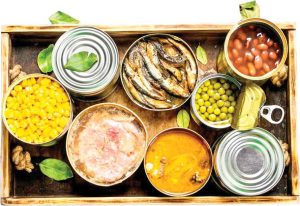
Canned food products come in a wide range of options, including proteins, vegetables, legumes, ready-made meals, and more. This diversity allows for a balanced and nutritious diet, even in emergency situations where fresh food sources may be scarce.
Canned foods are produced in various forms, including meats, fish, vegetables, legumes, ready-made meals, soups, stews, and even desserts. This diversity enables people to maintain a relatively balanced and varied diet, even during crisis situations.
The Importance of Expanding Domestic Canned Food Production in Times of Peace
Food Independence in Crises
Relying on domestic production is the key to food self-sufficiency. During wars or severe sanctions, importing food products can become difficult or even impossible. Extensive production of canned foods using local raw materials provides an effective way to maintain national food security.
Investment in Strategic Industries
Many food production units may operate at lower capacity during peacetime. However, governments should consider these industries as strategic assets and support them through financial aid, tax exemptions, and facilitation of exports, keeping them prepared to play a critical role during crises.
Support for Domestic Agriculture
Developing the canned food industry can create a stable demand for agricultural products such as tomatoes, beans, chickpeas, potatoes, carrots, and more. This ensures consistent income for farmers and prevents wastage of surplus produce during harvest seasons.
Technology and Quality Enhancement
When the canned food industry adopts modern technologies, it can produce high-quality, safe products without chemical preservatives while preserving nutritional value. This not only builds consumer trust during crises but also strengthens confidence in domestic products during peacetime.
The Role of Canned Foods in Crisis and War Management
Feeding Military and Relief Forces
Military personnel on the front lines and relief teams operating in crisis zones require food that is portable, nutritious, ready-to-eat, and compact. Canned foods are an ideal solution in this regard. Modern armies have long relied on specially formulated military canned foods with durable packaging designed for field conditions.
Distribution in Affected Areas
In earthquake-, flood-, or war-affected regions where essential infrastructure (water, electricity, gas, roads) is destroyed, distributing canned food packages plays a life-saving role. These products help prevent humanitarian crises, hunger, and social unrest.
Humanitarian Aid
Countries, international organizations, and relief agencies use canned foods as a core component of aid packages for nations affected by crises. By developing its canned food industry, Iran can play a more significant role regionally and globally in the field of humanitarian assistance.
Smart Consumption of Canned Foods in Peacetime: Practicing Preparedness
Public Education and Awareness
A society that has learned the smart consumption of canned foods will be better prepared and less likely to face food shocks during a crisis. Teaching proper usage, correct storage, and how to identify safe canned products can significantly enhance public preparedness.
Household Emergency Stockpiles
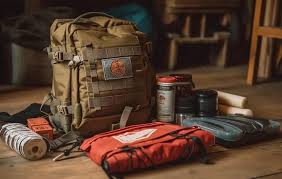
Emergency preparedness is not solely the responsibility of governments. Families can also prepare for potential crises by strategically storing canned foods for several weeks or months. Small, affordable packages are the most practical option for home stockpiles.
Role of Retail and Distribution Centers
Chain stores and distribution centers can serve as part of a country’s hidden emergency reserves. Retail systems must have the capacity to respond to increased demand during crises. Training staff, creating flexible supply chains, and anticipating disruptions in distribution are essential components of this preparedness.
Conclusion



User Comments