 FA
FA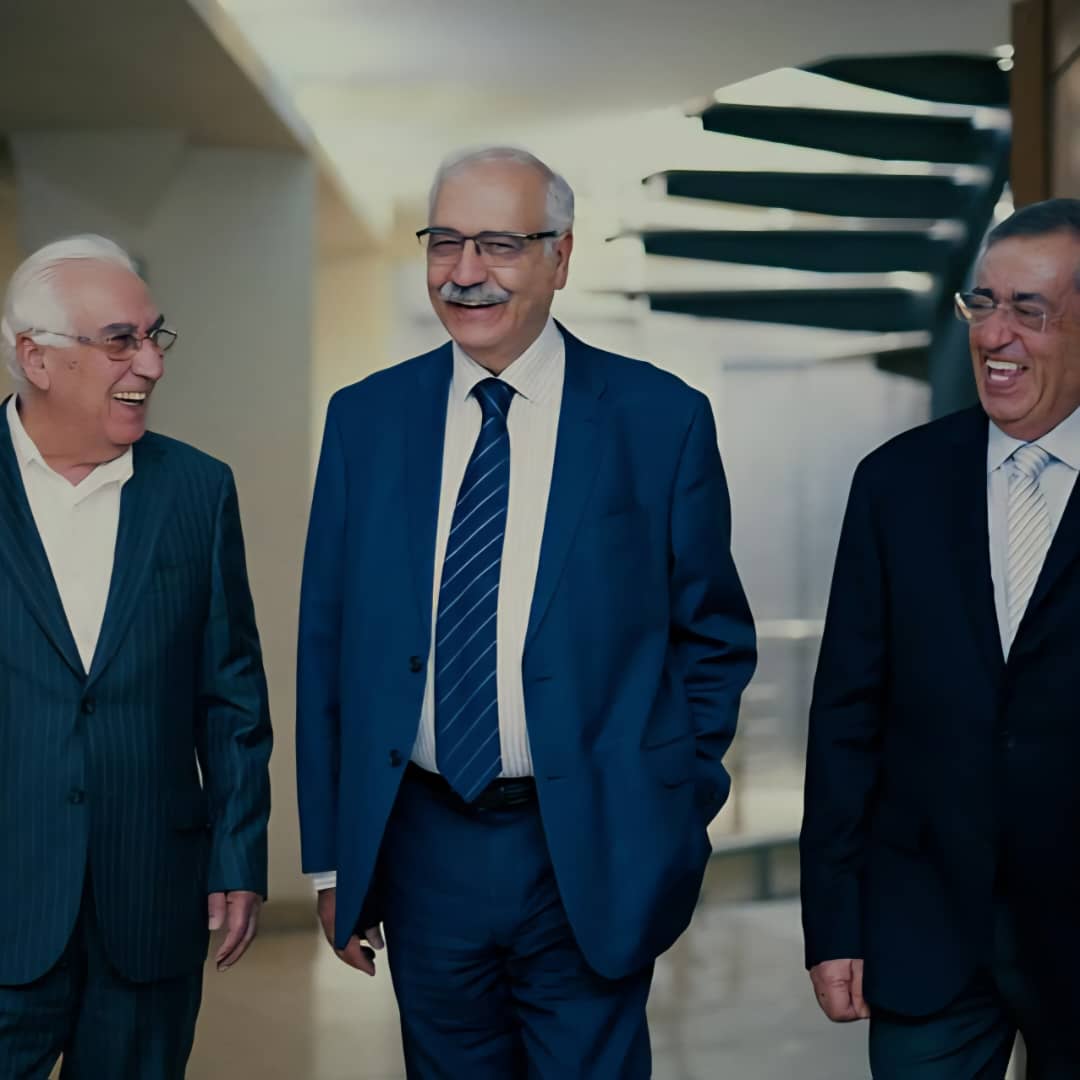
In the land of opportunities and challenges, only those names endure that, with determination, belief, and courage, have ventured into uncharted paths. Delpazir is one of these proud names—a brand that, through great effort, unparalleled quality, and a deep understanding of Iranian tastes, has become one of the main pillars of the food industry in the country.
“Four friends and partners on a shared journey at Delpazir.”
In this section, the interviews of three esteemed leaders and executives of the Delpazir Group are presented. Unfortunately, another respected member of our team, Mr. Hossein Kazempour Ardebili, one of the partners of the Delpazir brand, has passed away. We honor his memory with deep respect.
“Eqtesad-e Sabz Online: The food industry is constantly evolving, and companies like Delpazir, with a clear vision and a commitment to quality, play a significant role in this ongoing transformation.”
In a land of opportunities and challenges, only those names endure that have bravely crossed uncharted paths with determination, conviction, and courage. Delpazir is one of these distinguished names—a brand that, through relentless effort, unrivaled quality, and a deep understanding of Iranian taste, has become one of the main pillars of the country’s food industry.
Mohammad Esmail Ghods, Chairman of the Board of the ‘Ofogh Delpazir’ Holding, is among these influential figures—a leader who, with a forward-looking vision and tireless spirit, steers this organization toward the future.
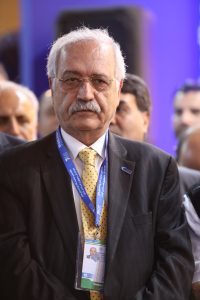
Considering that you and your organization originated in the confectionery, chocolate, and Minoo industries, and initially also distributed dairy products, why are the companies of Ofogh Delpazir Holding no longer active in the dairy, confectionery, and chocolate sectors?
In the late 1980s, during the heavy bombings of Tehran, distributing fresh milk was extremely challenging due to power outages, closed shops, and lack of refrigerated trucks. Facing these obstacles, Delpazir’s team realized that dairy could not be a sustainable path for the future.
Similarly, although the company had opportunities in confectionery and chocolate, a key factory didn’t meet the high standards we valued. Looking back, while entering that market could have made us a leading player in the Middle East, Delpazir chose a different path—one focused on long-term growth, quality, and innovation in food production.
Do you currently have any plans to enter the confectionery and chocolate industry, or will the company continue to focus on its current core areas?
Currently, the market has become highly competitive and specialized. Even within the confectionery and chocolate industry, manufacturers operate in focused niches—some exclusively in chocolate, others solely in biscuits. Considering the distance we have taken from this sector in recent years, our knowledge and technology are not fully up-to-date. Naturally, entering an area where we lack the latest expertise would not be practical. Therefore, we prefer to leave this path to specialized players in the field.
“Initially, Delpazir produced only two types of jam for a few months each year. Could you please explain the historical development of the brand’s products: which product did you start with, which products were gradually added, how many items are offered today, and what are your future development plans?”
When we acquired the factory, despite having advanced production lines, operations were limited and seasonal. The main reason was the rationing of items such as sugar and cans during the war. The previous owners, committed to compliance and safety, produced only within the allowed periods and then halted operations.
At the beginning, after evaluating the market, we decided to discontinue jam production and entered the market with canned foods and preserves. The preserves were of very high quality but gradually disappeared from household consumption. Later, we focused on producing canned goods such as beans, mushrooms, pasta sauce, and eggplant. Eggplant cans, especially in the Russian export market, were very well received.
After some time, we planned to enter the tomato paste market and, with significant investment, purchased and installed a production line from Mashhad. However, before starting production, we concluded that tomato paste would not effectively represent our brand.
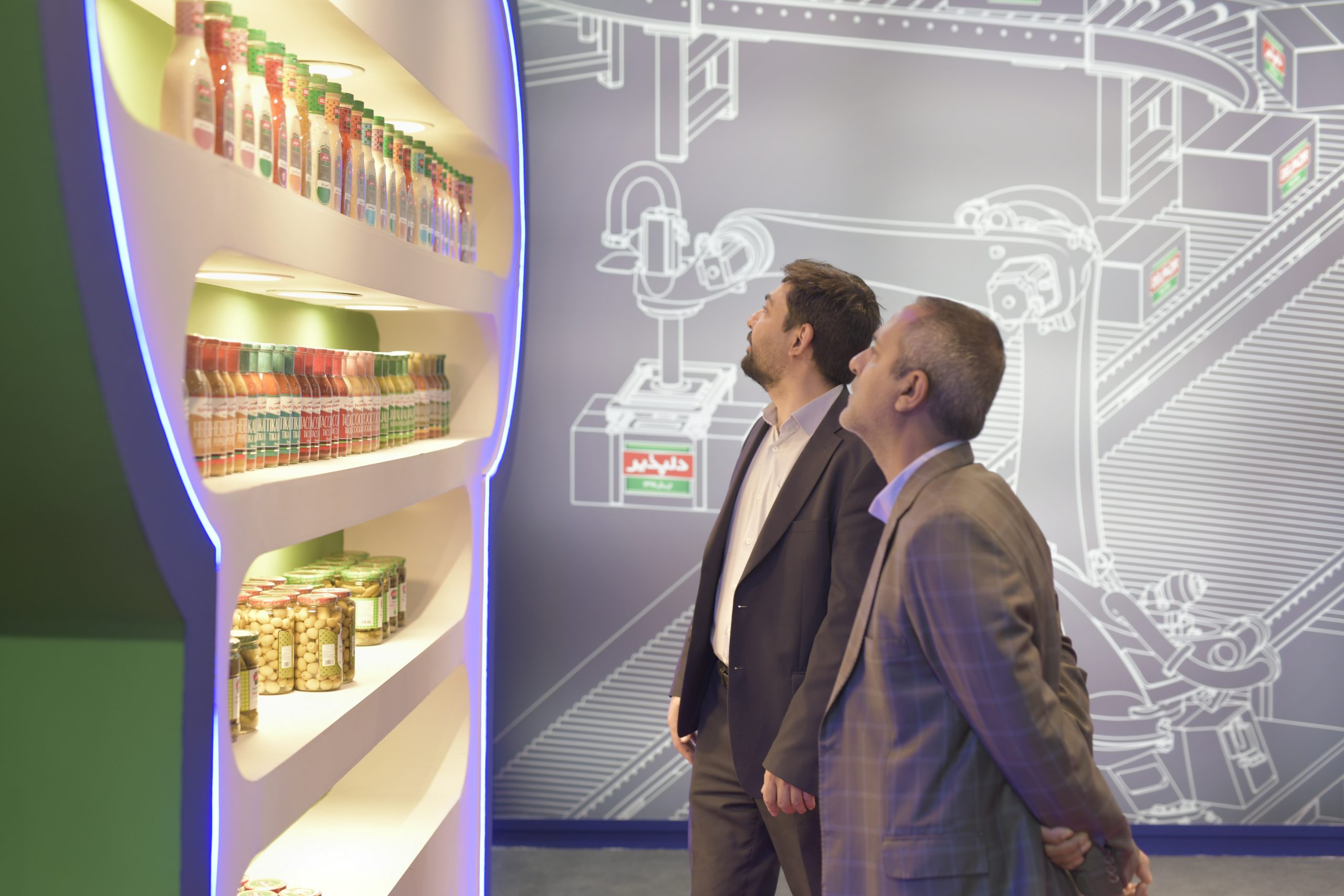
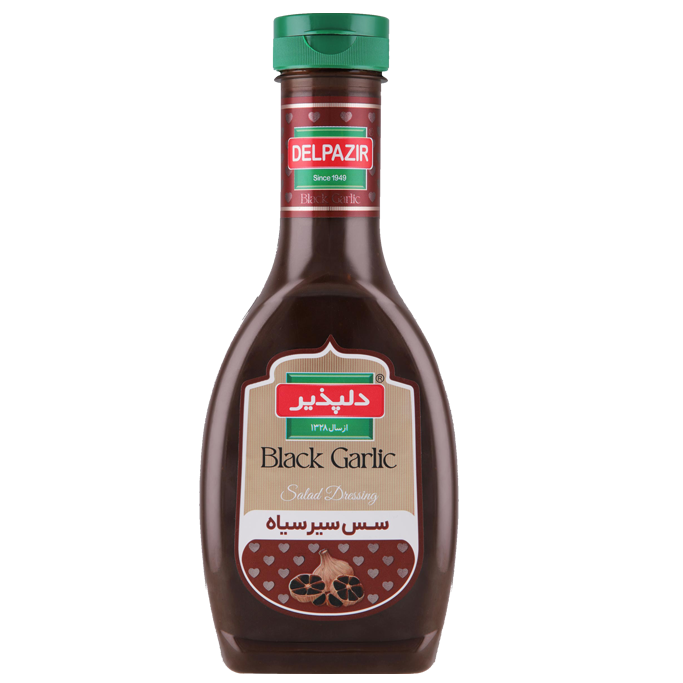
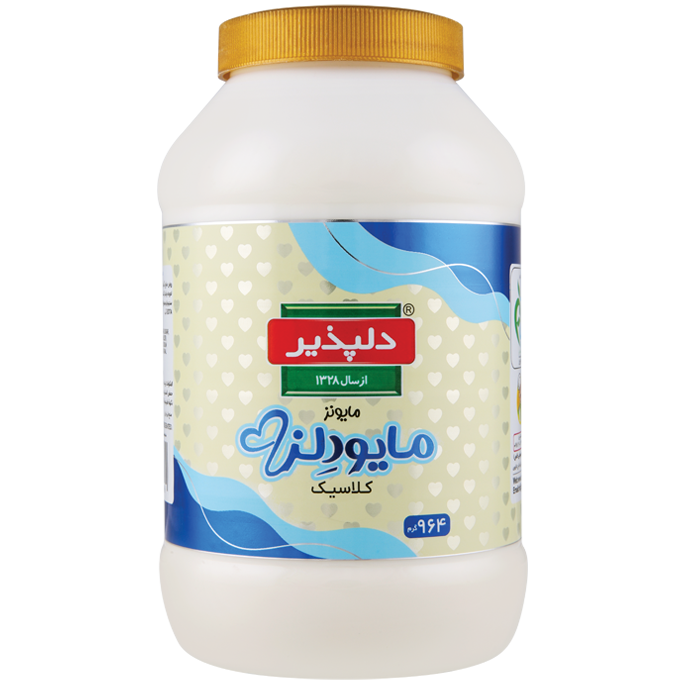
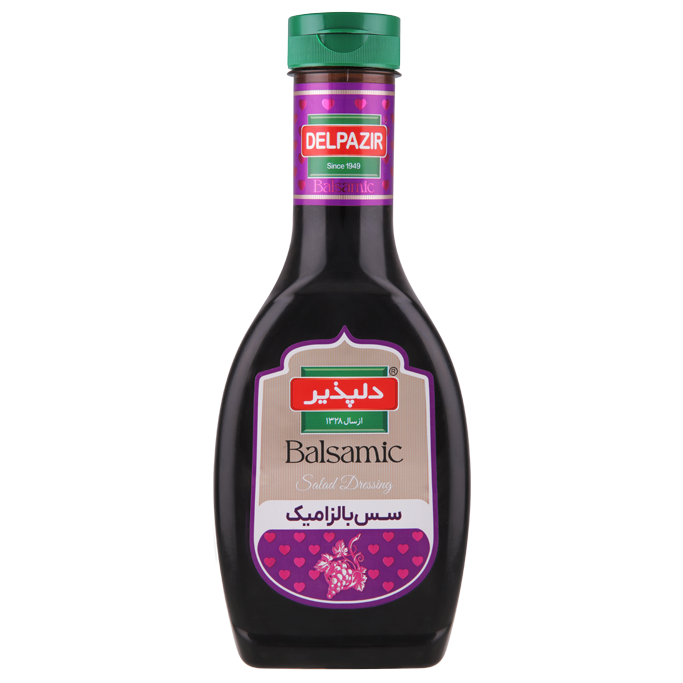
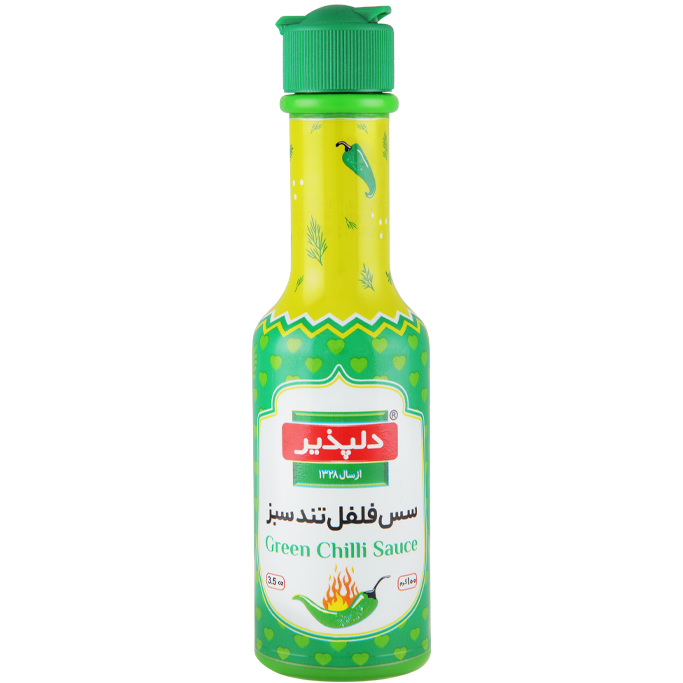
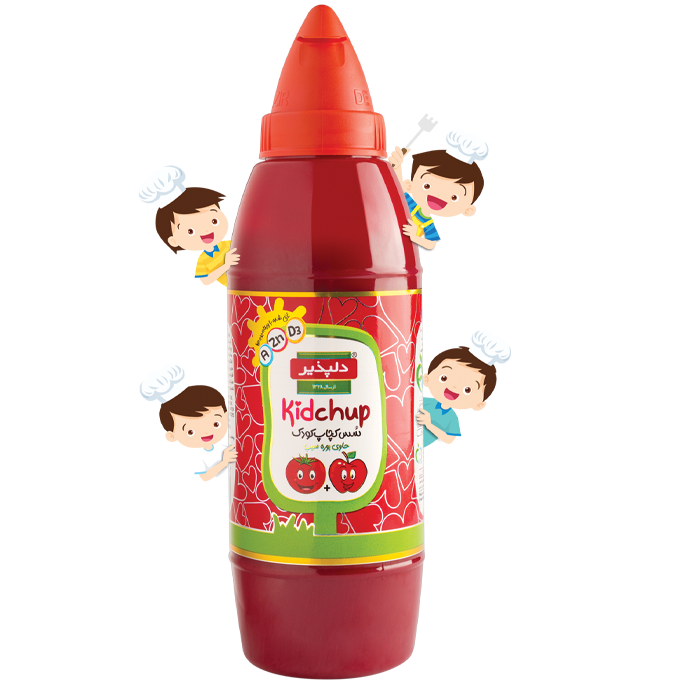
Therefore, we halted tomato paste production and shifted to sauces. In 1995, we began producing mayonnaise, which was met with great success. Effective advertising, including the famous commercial “I want to make a salad with Delpazir,” played a key role in brand building. We then introduced salad sauces such as Thousand Island, French, and various types of ketchup. Today, our sauce products are highly diversified—from mayonnaise in various packages to flavored sauces like kid’s ketchup, spicy, jalapeño, and more.
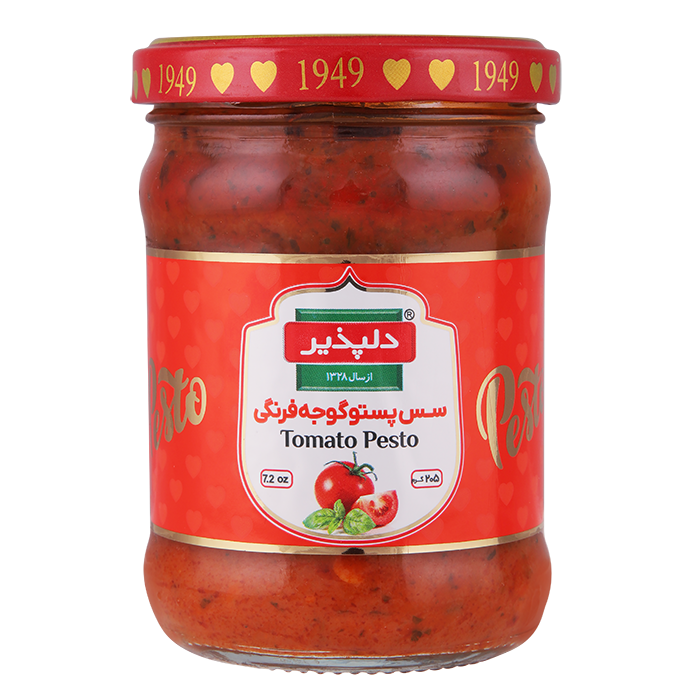
In addition, we developed packaging infrastructure, and now all bottles, caps, and cans are produced in-house, achieving full self-sufficiency. In recent years, we have also entered licensed production. Our new product, Parmadello home-style sauces under license from an Italian company, was launched in April 2025 and is available in six unique flavors.
“Delpazir: A Pioneer in Food Innovation, Committed to Quality and a Bright Future”

“Mr. Mohammad Reza Zofoufi, Board Member of Ofogh Delpazir Holding, emphasized in an interview with Eqtesad-e Sabz:”
As one of the leading companies in the food industry, Delpazir has always strived to expand its presence in Iranian households and international markets by relying on high-quality standards and production innovation. In this interview, we explore Mohammad Reza Zoroufi’s experiences and perspectives on the future of the industry, existing challenges and opportunities, and Delpazir’s role in sustainable development:
Considering that your company holds a significant share of the sauce market in the country, we have recently seen the launch of a more premium product in collaboration with an Italian company. Could you please explain the goals behind this initiative and the role this product plays in your brand development strategy?
The consumer goods market, especially in the food sector, consists of a wide range of tastes and needs worldwide. Our new product has been designed and produced to meet the demands of a specific segment of this market—consumers seeking a distinctive experience in terms of flavor, quality, and packaging, commonly referred to as the niche market. This product is not intended for mass consumption but is targeted at a select group of consumers with particular tastes. Additionally, part of the market’s appeal lies in its diversity; consumers always welcome new flavors and formats, and this variety can play a key role in the brand’s growth and development.
“Given your emphasis on continuity and acceleration in the development path, could you please share your plans for the future and the company’s upcoming vision?”
Currently, the company is simultaneously developing in three main areas: production, systems and software design, and commercial and service activities. In the production sector, in addition to expanding Delpazir’s existing food product lines, plans are underway to produce cellulose-based products such as paper tissues. The goal is to enhance quality, packaging, and product variety in line with market demand.
Given the low consumption of these products in Iran (about 2 to 2.5 kg per year compared to the global average of 7 kg and up to 14 kg in developed countries), the growth potential in this sector is significant. In distribution and sales, infrastructure development through new branches and warehouses meeting modern standards is a priority. Additionally, in the commercial domain, besides supplying raw materials for the company’s internal needs, plans are in place to enter the market for providing raw materials to other producers—a move that can strengthen Delpazir’s role in the country’s food industry supply chain.
“Despite having experience in the chocolate and dairy sectors, you chose to enter the canned food industry and changed your path. Why did you decide not to pursue the other two sectors?”
Sometimes life’s path doesn’t follow precise calculations. Our decision to enter the food industry was similar to a student choosing a field of study—not based solely on talent and ability, but also considering external conditions and societal constraints. Instead of focusing on differences, we sought common ground; the shared experience of grocery retail and familiarity with food paved the way for establishing Delpazir’s factory.
At that time, the economic environment was not very open, which guided us toward realistic decisions. In the eight years following the launch of Pegah, together with Mr. Ghods, we visited over a hundred factories across Iran—from Azerbaijan to the Khorasan road, spanning canned food, chocolate industries, and even computer-related sectors. We even had experience with a chocolate factory, which later sometimes made us reflect on the decision not to pursue it. Perhaps if we had focused on biscuits and chocolate instead of canned food, we might not have achieved greater financial success, as we already had experience in the area and the market was more prepared. Ultimately, our decisions were driven more by life experience and adapting to realities than by purely economic analysis or profit motives.
“75 Years of Accompanying the Delightful Taste of Delpazir”
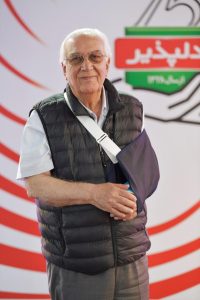
“Mr. Majid Okohvan, Board Member of Ofogh Delpazir Holding, explained in an interview with Eqtesad-e Sabz:”
This year, as the esteemed brand “Delpazir” celebrates its 75th anniversary, we had the opportunity to interview Majid Akovan, a key figure in the company with a long and eventful career in the food and distribution industry, and one of the founders of Ofogh Delpazir Holding.
Green Economy Online: Mr. Majid Okohvan, who began his professional career in 1969 as a salesperson, gradually climbed the ladder of success. After gaining managerial experience in Tehran and Ahvaz, in 1983 he, along with three long-time partners, laid the foundations for a lasting collaboration at Pakhsh Pegah, a company that remains active even after four decades. In this interview, he shares the secrets behind the longevity of this partnership, strategies for earning customer trust, the development of production infrastructure at Delpazir, and the future plans for this beloved brand. You can read the full interview below.
Could you please tell us when and how you entered this industry, and how the idea of establishing “Kadbanoo” came about?
After completing my military service in 1969, I came across a job advertisement at Minoo. After passing the interview, I started my professional career as a salesperson at the company. Over approximately 13 years, I gained diverse experience until, following the post-revolution changes, I left Minoo.
Together with a few colleagues, we decided to start an independent venture. During this period, we established a division called Pegah and entered the dairy distribution sector. Despite the challenges of the war, we continued this path until 1989, when we decided to move closer to our expertise and interests: distributing and selling fast-moving consumer goods (FMCG).
Through our distribution experience, we realized that to ensure sustainability and growth, we also needed to enter manufacturing, as some producers independently handled distribution during sales surges. Consequently, in 1991, we purchased an old factory under the Delpazir brand, which had been producing canned goods for only two months each year and had been largely inactive.
From 2006 onward, with changes in resource allocations, we revived the factory with renewed goals and vision. Today, thanks to the continuous efforts of our team and the Delpazir group, the brand has become a recognized and trusted name in the country’s food industry.
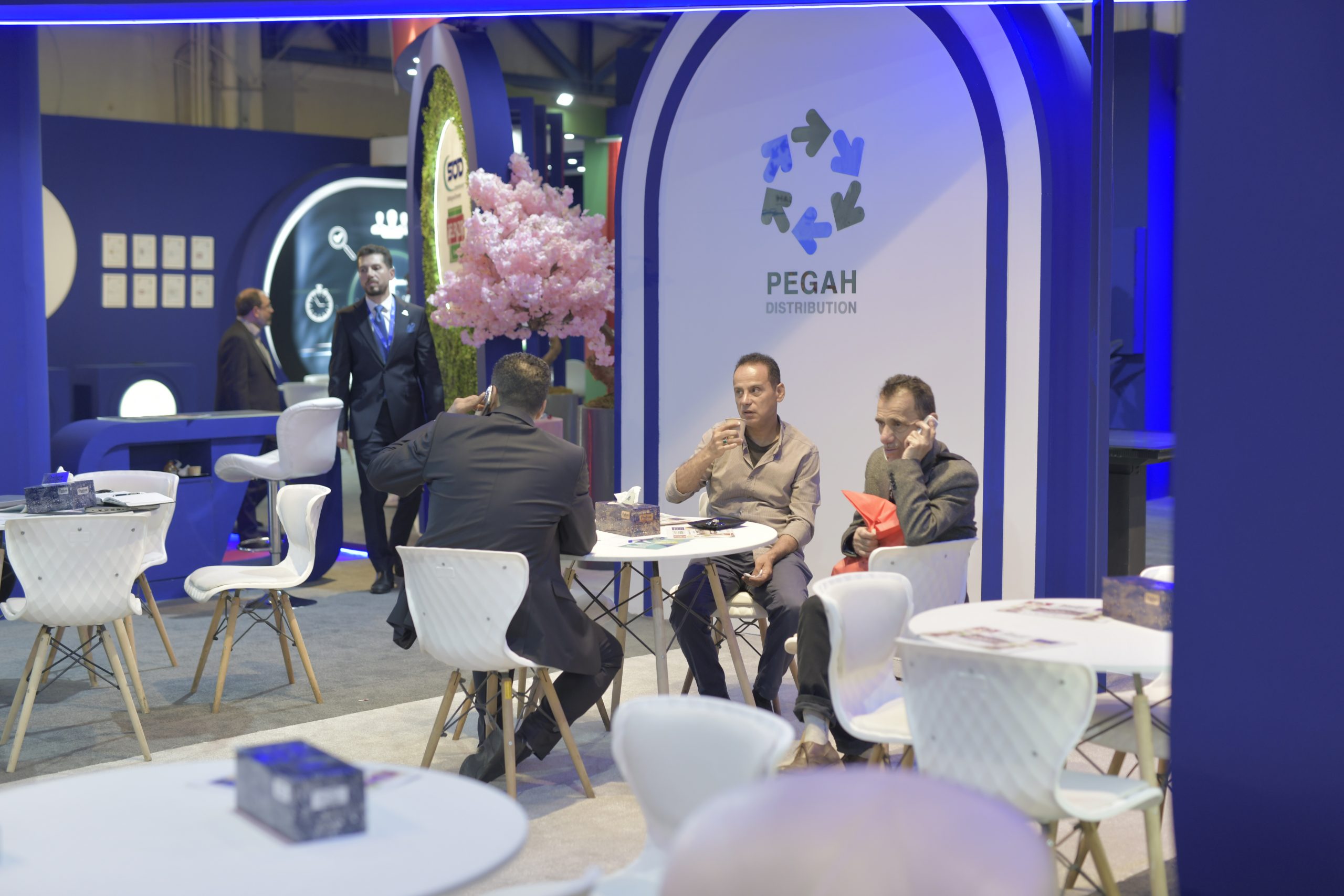
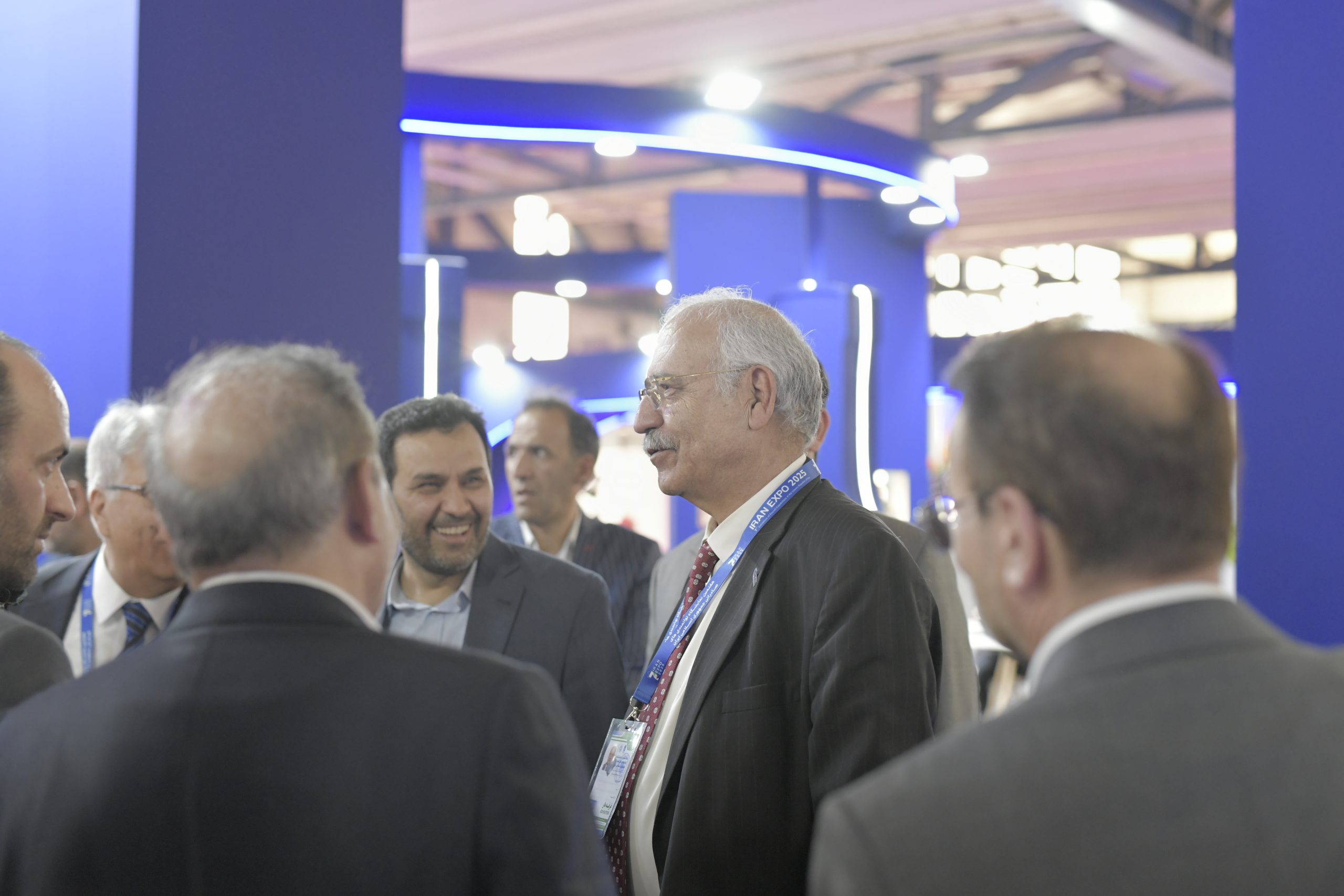
Delpazir currently holds the largest exhibition booth in the history of international exhibitions, with an area of 1,150 square meters, at the “Iran Expo”. What is the motivation and purpose of this presence at “Iran Expo” instead of other exhibitions?
In recent years, we have not participated in exhibitions, as we felt they did not yield significant outcomes for us. However, this year, on the occasion of Delpazir’s 75th anniversary, we decided to take part in the “Iran Expo”.
The purpose of our participation is to introduce the Delpazir Holding and to unveil the book “The Delpazir Way”. Additionally, since this is an export-oriented exhibition, we aim to target international markets and present the Delpazir brand to audiences and business partners both inside and outside Iran. At the exhibition, Delpazir Holding along with all its subsidiaries, as well as their managers and teams, will be present to engage directly with all business partners and customers.
“Delpazir Group is collaborating with an international brand to produce a new luxury product, which will be distributed in select regions.”
“Would you like to provide more details about this new product and the group’s development plans?”
The “Delpazir” group is producing a new product called “Parmadello”, developed in collaboration with an Italian brand. This product has recently been launched and introduced to the market. I would also like to express my gratitude to our dear colleagues, who have worked diligently alongside us over the years. Thanks to the cooperation and collective effort of our team, the group has reached this point, and I hope that, together, we can continue to bring further growth and progress to Delpazir.
User Comments